Urban Development
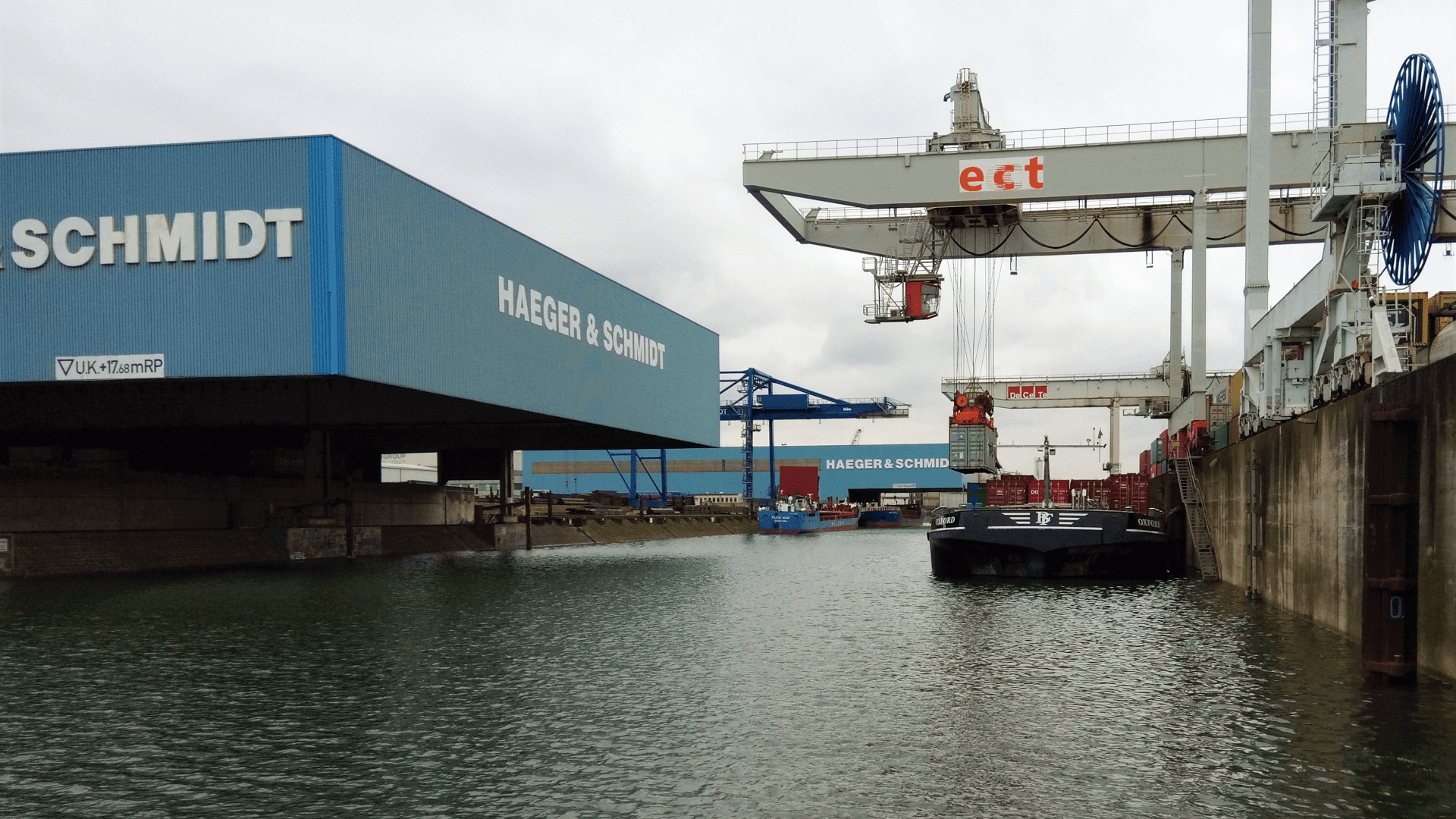
Urban planning connects a multitude of interests and needs that arise from the requirements of different stakeholders in settlements. At the core of a successful planning and development process is the integration of the different subjects to form one core strategy, aligning these.
In this regard the different main influencing policies for infrastructure development have to be analyzed and optimized in order to allow prospering development and sufficient supply of the requirements. Furthermore, the existing infrastructure has to be evaluated and further developed proactively and with foresight to include developments of the closer and medium-term future.
Urban and regional planning in North Africa has been under-represented in the international discourse and scientific literature. Especially the connections between European Planning and North African Planning after the independence of colonial regimes offer interesting perspectives and allow for both sides to explore possibilities and gain insights to improve the planinng process and strengthen the development of growing cities.
Urbanization Process
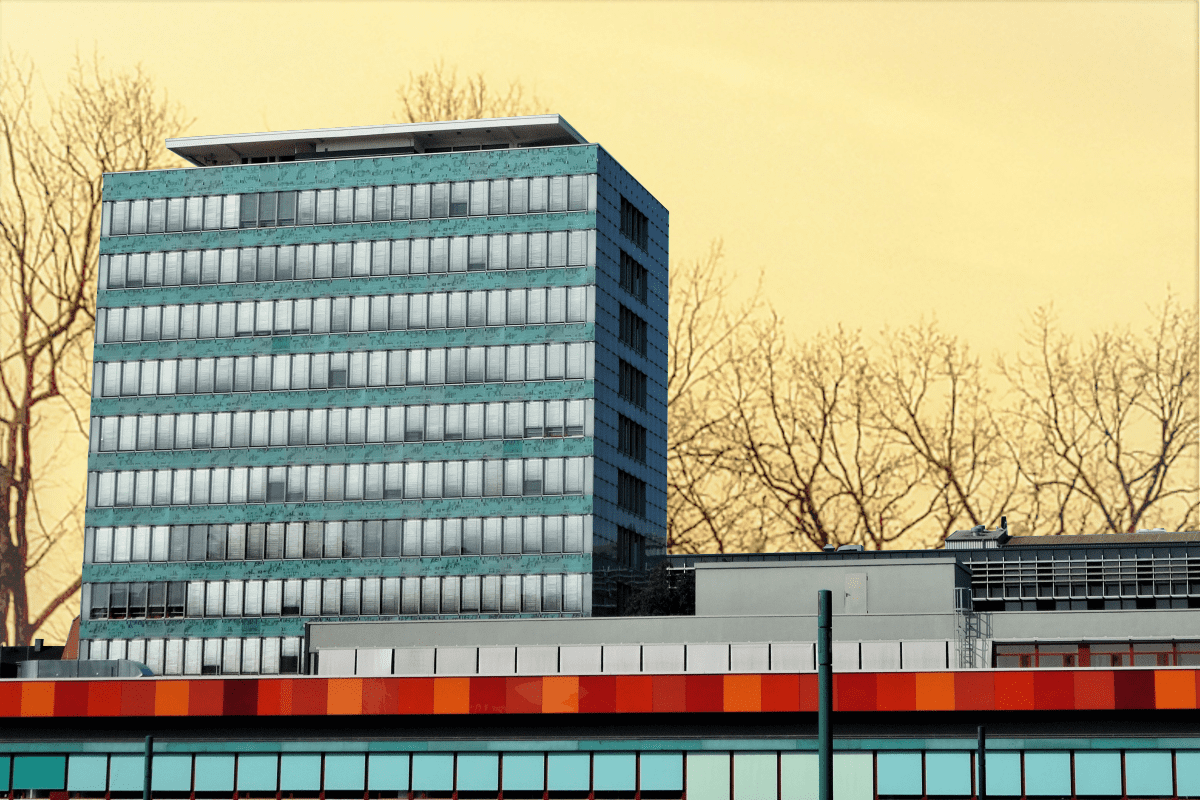
The difficulty to keep pace in developing and adapting the urban structures to the growing expectations and requirements is most clearly visible in the emergence of informal or insufficiently planned and tailor-made quarters to supply the growing number of inhabitants.
Additionally environmental degradation and safeguarding of services derived by nature becomes more important by both internal and external developments. Special attention has to be brought to nature-based and environmentally friendly solutions in order to maintain steady and resilient functions in the urban nexus in a long term perspective.
Urban Planning
Urban planning connects a multitude of interests and needs that arise from the requirements of different stakeholders in settlements. At the core of a successful planning and development process is the integration of the different subjects to form one core strategy, aligning these.
In this regard the different main influencing policies for infrastructure development have to be analyzed and optimized in order to allow prospering development and sufficient supply of the requirements. Furthermore, the existing infrastructure has to be evaluated and further developed proactively and with foresight to include developments of the closer and medium-term future.
Ongoing Projects
Completed Projects
Our Partners
Urban Planning in North Africa
Sudena-Project
More Information
More Information
More Information
Ongoing Projects
SUDENA 2019: DAAD - Project
As part of the German-Arab Transformation Partnership project, funded by the German Academic Exchange Service (DAAD) under Project-ID 57515144, a bilateral exchange between German and Tunisian researchers and students, as well as experts from business and public administration on sustainable urban development in North Africa and Europe was organised. During two one-week workshops at the Kurhaus Trifels (University of Koblenz-Landau - UKOLA and Karlsruhe Institute of Technology - KIT) and at the Ecole Nationale d'Urbanisme et d'Amenagement (ENAU) of the Université de Carthage, different professional perspectives were presented on the aspects of sustainability and its integration into urban development and planning practice.
Among the numerous contributions of the more than 30 participants, which ranged from sustainable tourism planning, regional integration of spatial planning, administrative spatial policies and questions of the usability of nuclear energy to integrated species protection management and waste avoidance strategies, two thematic complexes stood out.
The integration of renewable energies in dense and rural areas was discussed particularly emphatically. The potentials of all energy sources were considered and the challenges of acceptance and financing models for RE systems were compared. In particular, plans were drawn up for a project and a draft application for further funding in the field of using agricultural residues to produce biofuel and biogas for the purpose of avoiding and efficiently using waste. Furthermore, the participating experts presented the latest findings in the development and production of solar cells and gave an insight into the performance of future PV systems. Grid operators and researchers also presented different sales strategies for RE and their integration into existing grids, paving the way for a holistic transformation process.
A second focal point of the project contents was the discussion about the development of private and public passenger transport and freight logistics. Using the example of the Tunis metropolitan region, commuting behaviour, road network use and the strategy of the metropolitan region for a political transformation of the transport sector were presented. This served as a prelude to the development of a research project within the H2020 programme, which aimed to analyse the transport transformation strategies of rapidly changing settlement areas and to develop a guideline for other places.
The SUDENA team would like to thank all participants for their valuable contribution. We look forward to intensify the contacts made in this programme and mutually realize our efforts in the upcoming projects.
Special thanks also goes to the DAAD, which has significantly supported and enabled the project through its funding.
Completed Projects
SUDENA 2019: DAAD - Project
As part of the German-Arab Transformation Partnership project, funded by the German Academic Exchange Service (DAAD) under Project-ID 57515144, a bilateral exchange between German and Tunisian researchers and students, as well as experts from business and public administration on sustainable urban development in North Africa and Europe was organised. During two one-week workshops at the Kurhaus Trifels (University of Koblenz-Landau - UKOLA and Karlsruhe Institute of Technology - KIT) and at the Ecole Nationale d'Urbanisme et d'Amenagement (ENAU) of the Université de Carthage, different professional perspectives were presented on the aspects of sustainability and its integration into urban development and planning practice.
Among the numerous contributions of the more than 30 participants, which ranged from sustainable tourism planning, regional integration of spatial planning, administrative spatial policies and questions of the usability of nuclear energy to integrated species protection management and waste avoidance strategies, two thematic complexes stood out.
The integration of renewable energies in dense and rural areas was discussed particularly emphatically. The potentials of all energy sources were considered and the challenges of acceptance and financing models for RE systems were compared. In particular, plans were drawn up for a project and a draft application for further funding in the field of using agricultural residues to produce biofuel and biogas for the purpose of avoiding and efficiently using waste. Furthermore, the participating experts presented the latest findings in the development and production of solar cells and gave an insight into the performance of future PV systems. Grid operators and researchers also presented different sales strategies for RE and their integration into existing grids, paving the way for a holistic transformation process.
A second focal point of the project contents was the discussion about the development of private and public passenger transport and freight logistics. Using the example of the Tunis metropolitan region, commuting behaviour, road network use and the strategy of the metropolitan region for a political transformation of the transport sector were presented. This served as a prelude to the development of a research project within the H2020 programme, which aimed to analyse the transport transformation strategies of rapidly changing settlement areas and to develop a guideline for other places.
The SUDENA team would like to thank all participants for their valuable contribution. We look forward to intensify the contacts made in this programme and mutually realize our efforts in the upcoming projects.
Special thanks also goes to the DAAD, which has significantly supported and enabled the project through its funding.