Biomedicine

Image

Sustainable & Medicinical Products

This initiative contributes to the achievement of sustainable development in the field of medicine and pharmacology. Many of the drugs used today are chemically manufactured or imported. This poses a barrier for real sustainable development in pharmacology. To overcome this obstacle, a combination of approaches will be developed that focus on the beneficial utilization of the potential of wild medicinal plants harnessing the knowledge of the local population in combination with modern technology. In this way, local biopharmaceuticals can be refined and at the same time offer a great opportunity to strengthen the local pharmaceutical industry for wild medicinal plants.
Image

Medical & Wild Plants

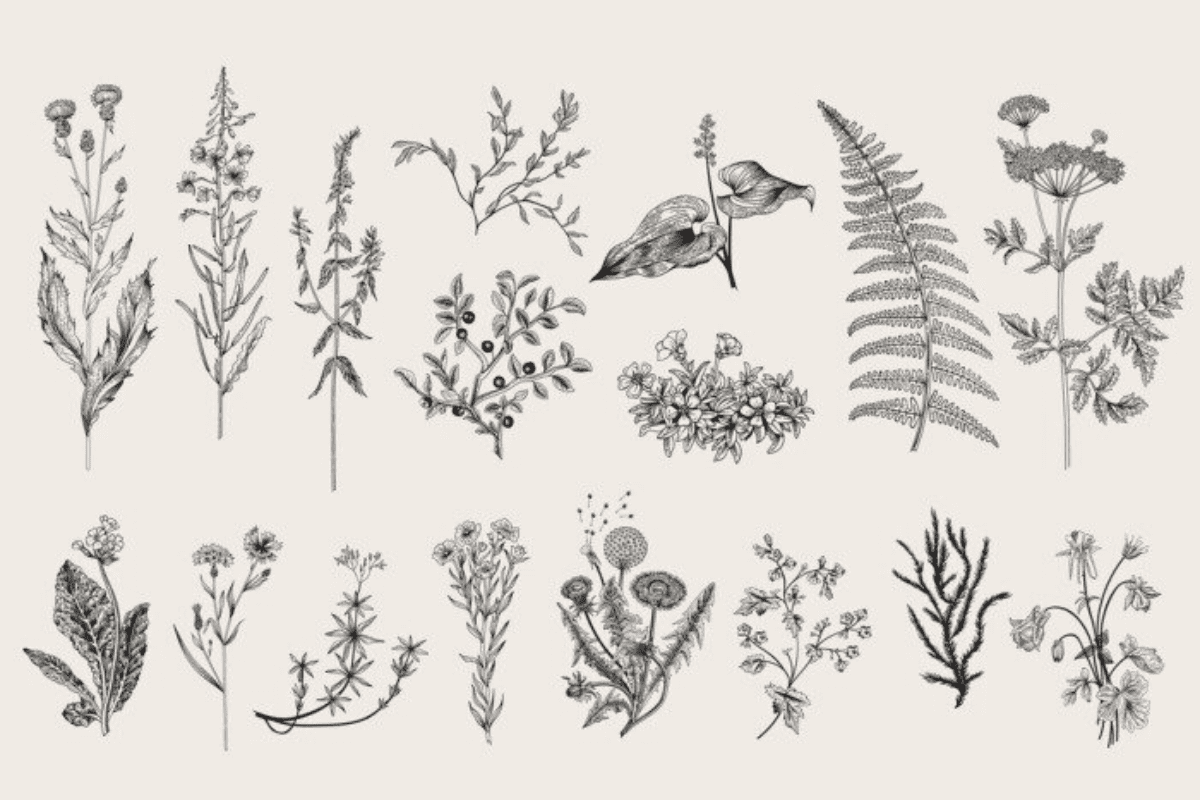
Traditionally, medicinal products are made out of natural products e.g. from  trees or plants. Due to the industrialisation and scientific development,  there are more and more often used chemicals to produce cheap pharmaceutical products. However, the effect often is less than using plant ingredients combined with the long lasting knowledge of local people. Especially wild medicinal plants are endagered more and more because of increasing human impact and cultivation of plants taking its habitat. Thus, the conservation and medicinal/ pharmaceutical reusage of wild plants is very important as it also leads to the conservation of cultural heritage of local, indigenous people.

Ongoing Projects

Completed Projects

Our Partners
Traditional Knowledge Practices

Traditional Knowledge Practices

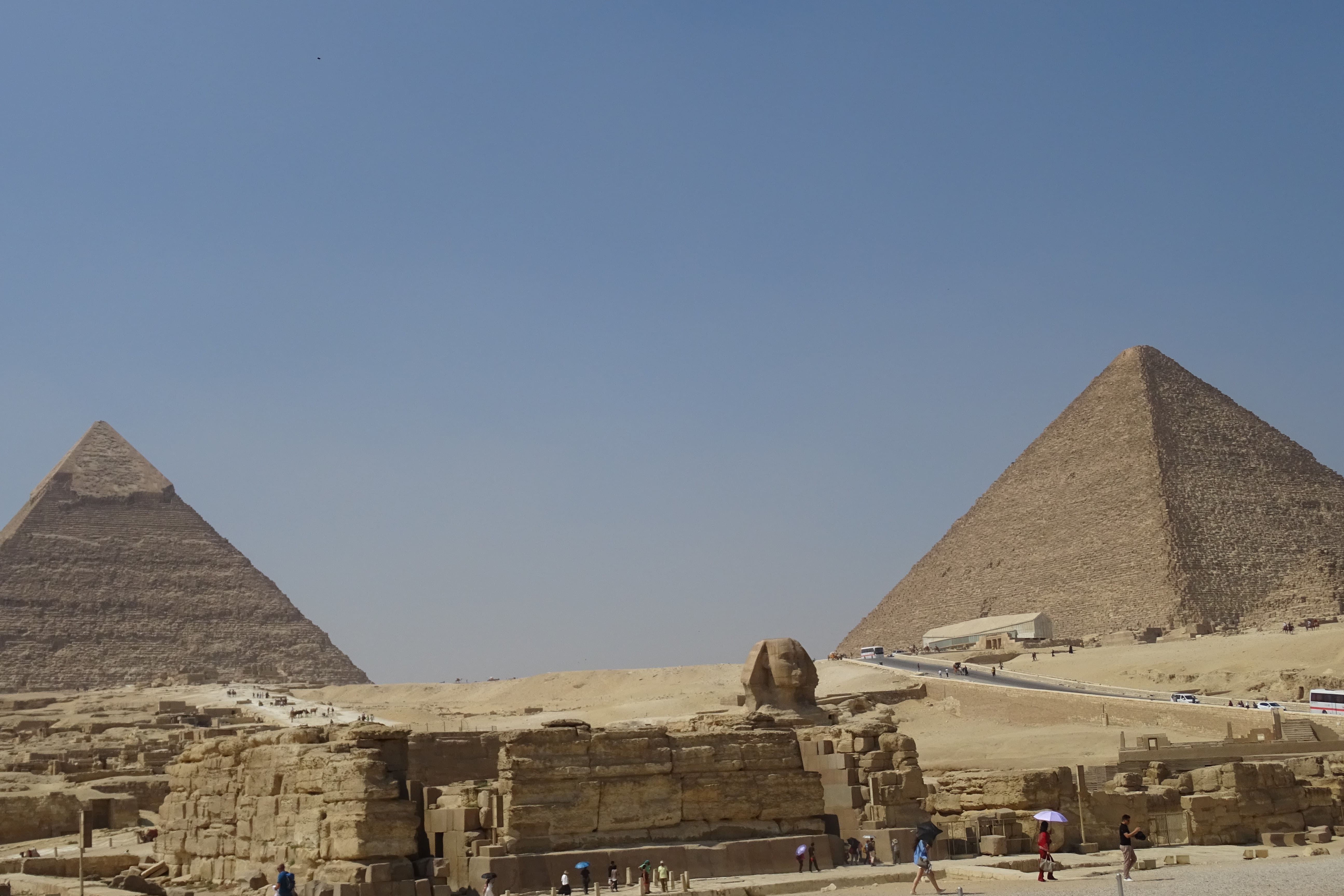
The knowledge of plants and their uses is of great relevance to indigenous cultures. Due to globalizational effects, traditional culture heritage is lost continously.
BIPE - Biopharmaceutical Potentials in Egypt
BIPE - Biopharmaceutical Potentials in Egypt

BIPE is a DAAD joint project between Egtian and German universities regarding biopharmaceutical potentials in Egypt.

Ongoing Projects

Traditional Knowledge Practices

The knowledge of plants and their uses is of great relevance to indigenous cultures. Ethnobotany and ethnomedicine have been dealing with this for quite some time. Despite this, traditional knowledge is mainly passed on orally or is based on experiences of single persons or groups. Indigeneous cosmovisions should be seen additionally to the western comprehension of sicentific plant use and medicine. However, due to globalization and effects caused by colonizational influences, cultural heritage is lost increasingly and therefore also these traditional knowlegdes and practices. One aim is to systematically collect tradtional experiences and narratives.

Completed Projects

BIPE - Biopharmaceutical Potentials in Egypt

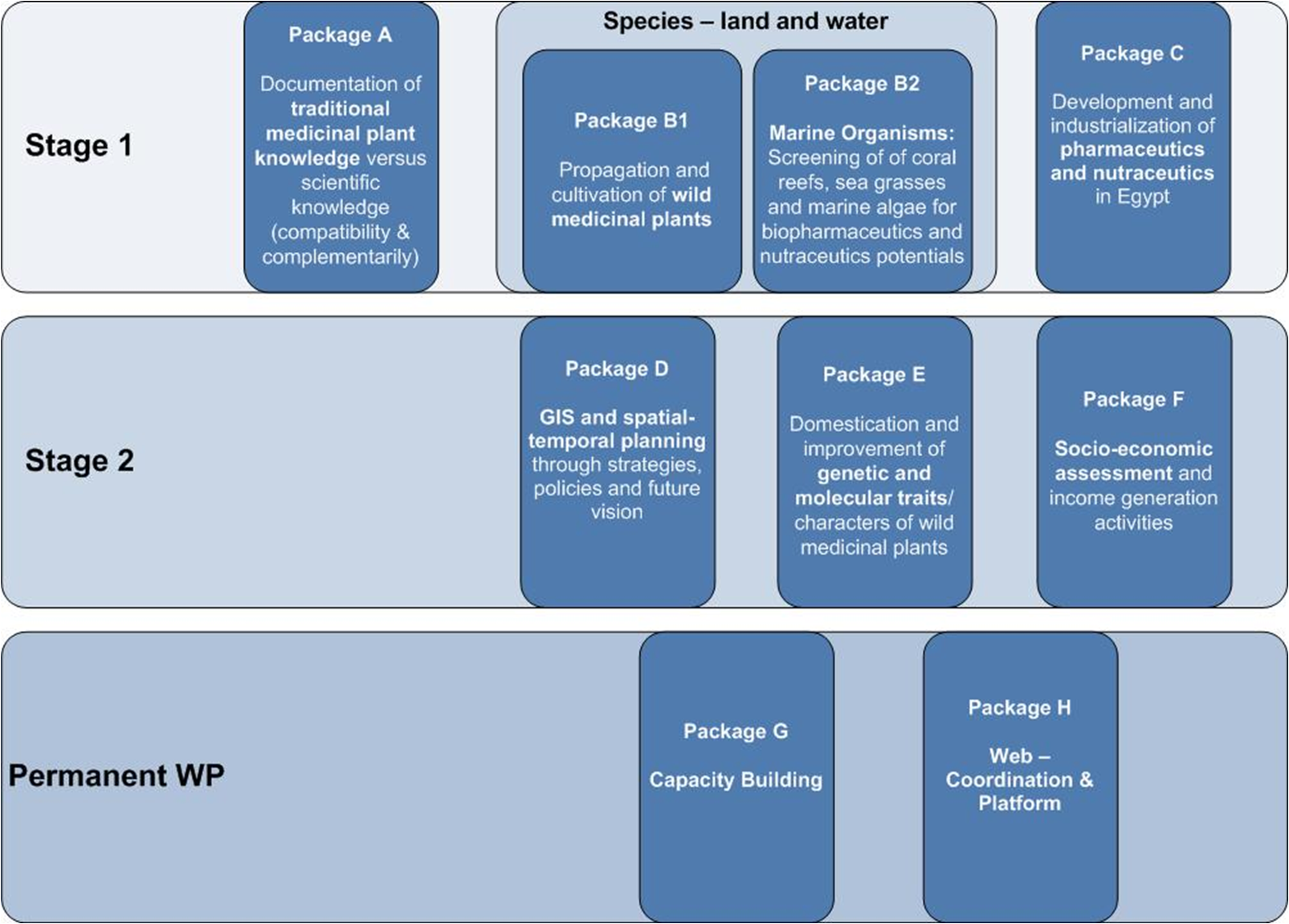
BIPE - Biopharmaceutical pontentials in Egypt - was a DAAD-funded collaborative project between Egyptian and German universities which was conducted 2019. Students and expert from University of Kairo, Helwan University, Suez Canal University in Egypt and Germans University of Koblenz-Landau worked over a year together and developed ideas regarding biopharmaceutical potentials in Egypt. Thereby the following working-packages were developed during a Kick-off meeting in September and later on processed during  a Colloquium in Egypt and a Workshop in Germany:
Image

Workshops in Egypt and Germany

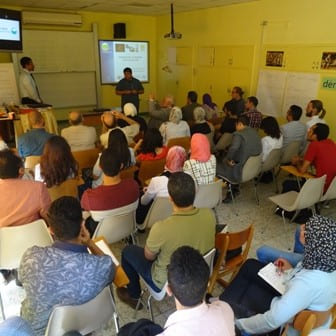
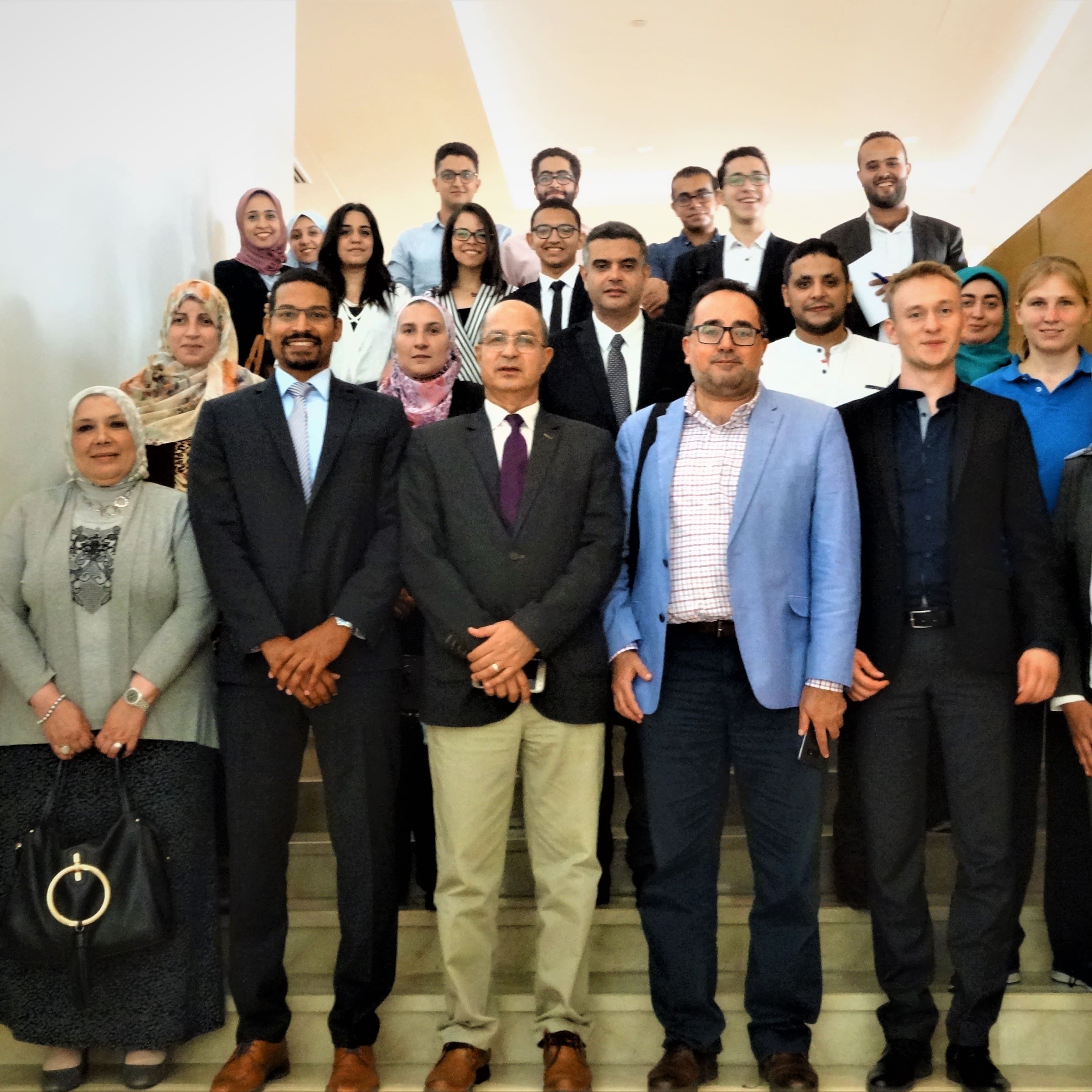
Beginning of October there took place the Colloquium in Egypt on Biopharmaceutical Potentials. More than 30 Egyptian and German Experts and Students from took part at the meeting in Cairo.
Prof. Dr. Fathy Ghaffar from Cairo University and Dr. Ado Ampofo from Germany, opened the workshop with a welcoming of both, the Germany and Egypt, especially of Professor Dr. Hagras and her team from the Suez Canal University.
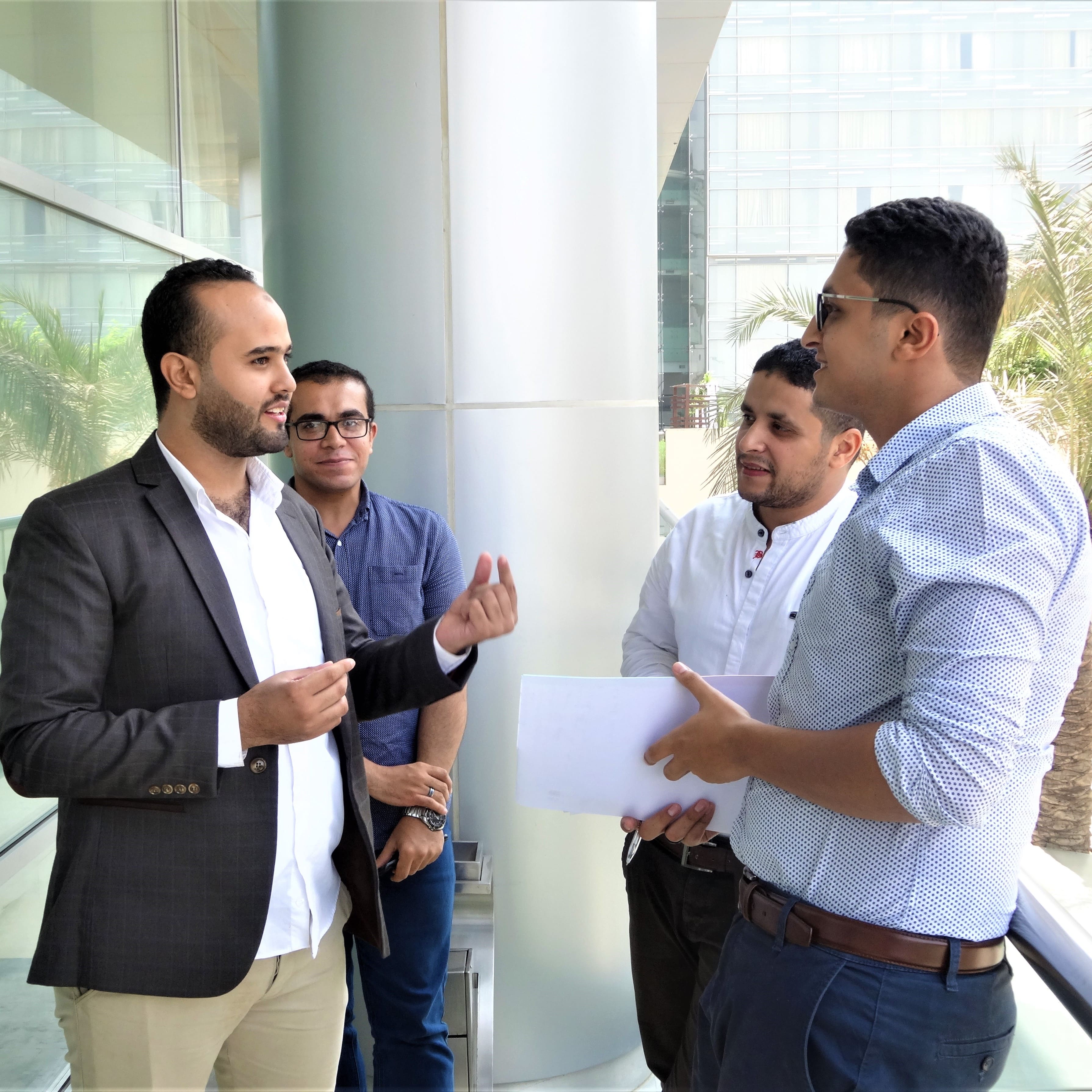
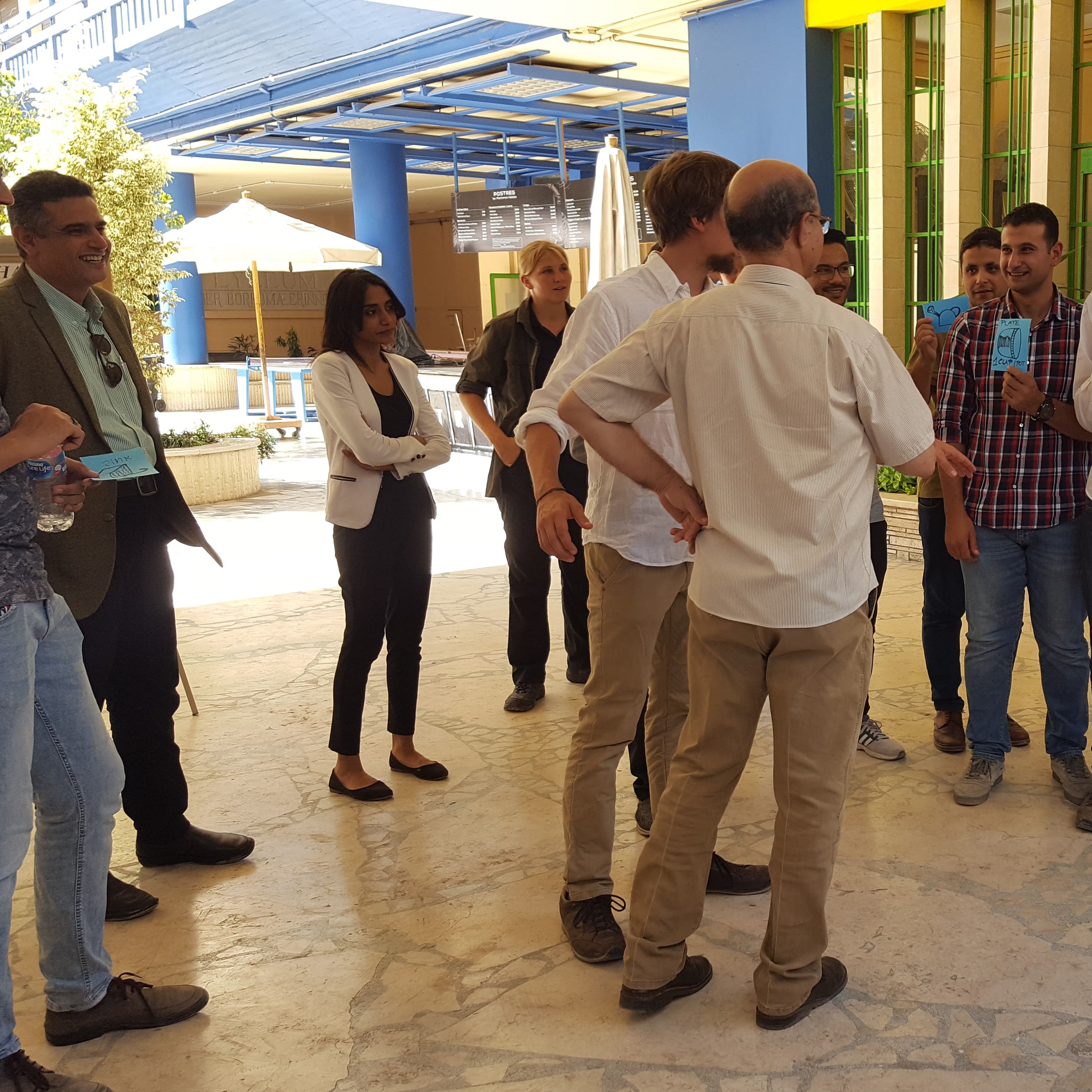
The workshop consisted out of short expert lectures and discussions on it and interactive group works where the students were asked to develop their own ideas.

The following Egyptian experts the participants got an insight in the following topics:

  • Professor Dr. Ahmad Hegazy from Cairo University talked up the importance of the maintenance of Traditional Knowledge and showed up interesting tools of an encyclopedia on medicinal plants in Egypt.
  • Professor Dr. Abdelfattah Badr from Helwan University hold a lecture on “Genetic Diversity of Selected Egyptian Medicinal Plants and Their Conservation for Production of Pharmaceutical Substances”
  • Dr. Tarek Temraz from Suez Canal University introduced both, the importance of the Red Sea in Egypt and its potentials for medicinal products in Egypt.
  • Prof. Dr. Fathy Abdel Ghaffar from Cairo University gave a lecture on "Nature helps" in order to demonstrate the innovation potential of medicinal plants for the treatment of diseases.
From German site:

  • Julius Krebs,  talked about Permaculture, a holistic approach for sustainable agriculture.
  • Dr. Kai Riess talked about “Fungis and their importance for agriculture”.
  • David Urquiza, from Max-Planck Institute in Jena, originally coming from Peru, gave the participants a very interesting inside in the potentials on Remote Sensing and GIS.  

Workshop in Germany

To strengthen the personal and intercultural exchange, students and experts from both, Egypt and Germany participated in a Workshop in Germany. The participants continued on their group projects on the specific topics.